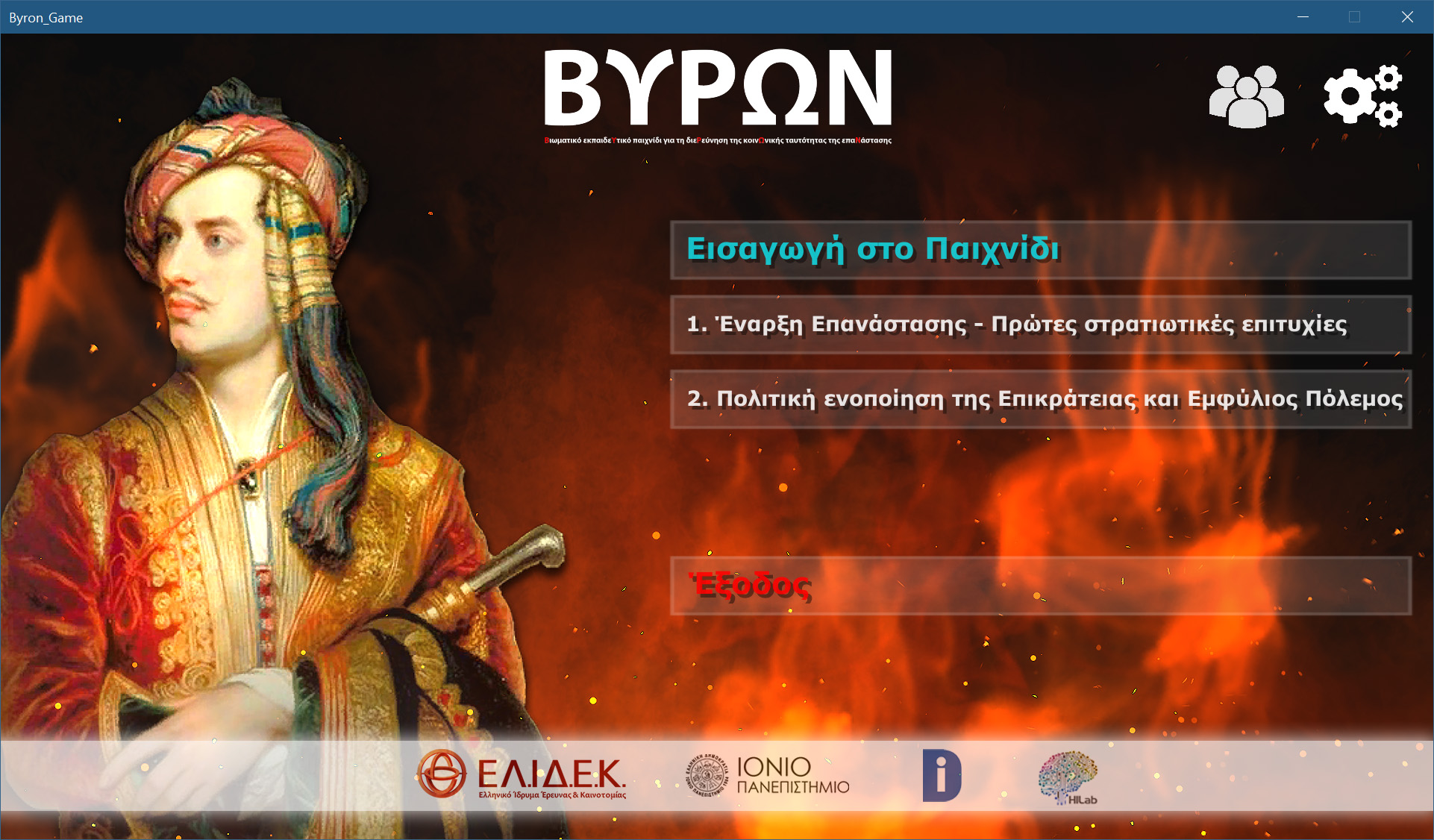
BYRON – Experiential educational game for exploring the social identity of the revolution
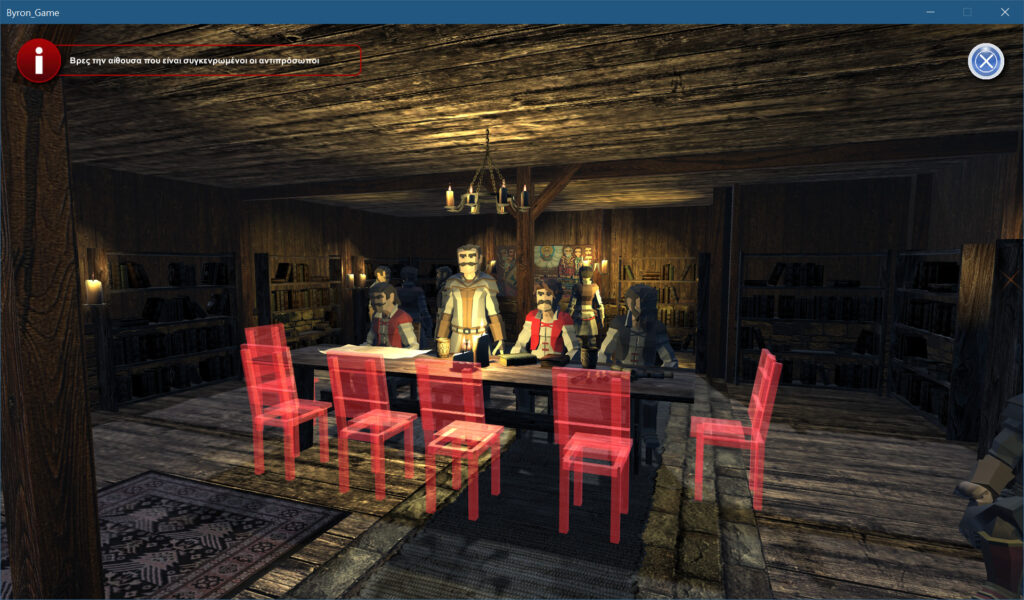


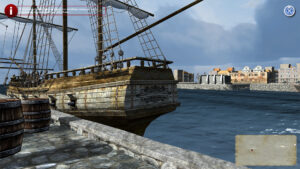


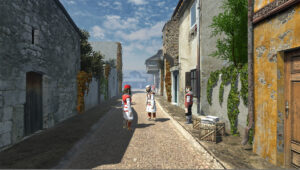
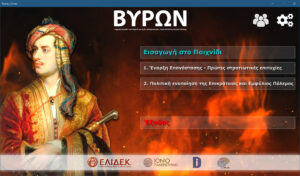
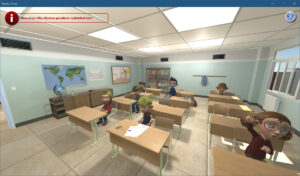
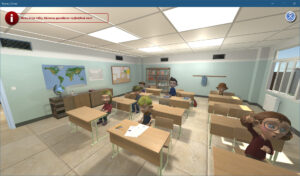

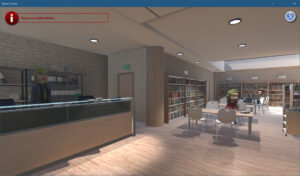


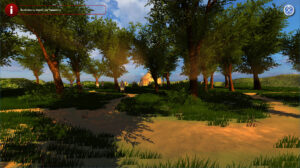

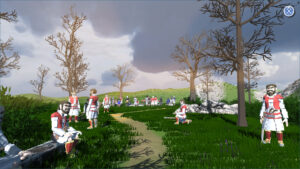









If the advent of animation characterized the societies of the 20th century, the 21st focuses on the direct involvement of people in the production and consumption of digital content. Digital games are the most popular and widespread form of new media, enhancing the active involvement of players. It is no coincidence, after all, that systematic scientific research on the use of historical subjects in them, the ways of historical representation, historical experience and learning through them, while we would say that they are a new form of historical text, is popular and changing. the way History is perceived by the general public.
Digital games as a means of mediating knowledge are able to critically develop what has happened in the past, while in the case of games for serious purposes they incorporate pedagogical techniques in order to teach knowledge and skills to players. Realizing the needs of the new era, and with the help of the Department of Informatics and the Department of History at the Ionian University, we were led to set up an interdisciplinary research team that has been studying digital gaming in recent years. , developing interaction between subjects and their content, expanding their use in education.
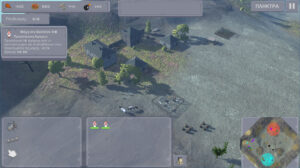
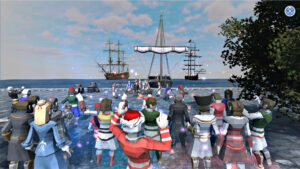
The result of this project was the design of a serious game on the Greek Revolution, combining knowledge from research in digital games and historical social groups from a digital personal database. The “BYRON” proposal aims at an innovative approach of the Greek Revolution, highlighting the social forces that acted for its beginning and development, addressed to both students and the general public. The users of the game can have fun gathering interesting information and exploring how historically bloodied societies and social groups without concentrated means of power begin the Revolution and begin to form a state.
BYRON Project Web Site: https://hilab.di.ionio.gr/byron
The project was supported by the Hellenic Foundation for Research and Innovation (H.F.R.I.) under the First Call for H.F.R.I. “Science and Society” – “200 years since the Greek Revolution” (Project Number: HFRI-1821-13).
Humanistic & Social Informatics Laboratory
Department of Informatics, Ionian University